

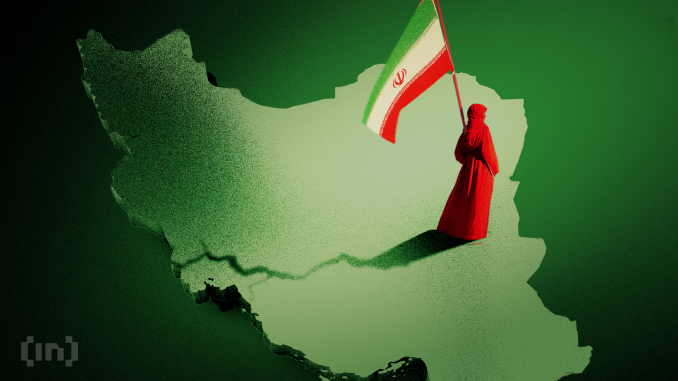

The effective closure of the Strait of Hormuz following US-Israeli strikes on Iran has triggered an unprecedented energy supply crisis, with Asian economies bearing the heaviest burden as tanker traffic through the world’s most critical oil chokepoint grinds to a halt.
Japan and South Korea face the greatest risk, with both nations being overwhelmingly dependent on fossil fuel imports that transit the Strait.
Tanker Traffic at a Standstill
The cost of hiring a supertanker to ship oil from the Middle East to China surged to an all-time high of over $423,000 per day on Monday, doubling from Friday’s levels, according to LSEG data. Iran’s Revolutionary Guard Corps declared the Strait closed and warned it would fire on any vessel attempting passage.
The disruption follows the killing of Iran’s Supreme Leader Ayatollah Khamenei in joint US-Israeli strikes on Saturday, which prompted Tehran to launch retaliatory attacks across multiple Gulf states. At least four vessels have been hit in Gulf waters, and major shipping companies and insurers have effectively withdrawn from the corridor.

Kpler confirmed that commercial operators have pulled out after insurers withdrew war-risk coverage, creating a de facto closure. Only a small number of Iranian and Chinese-flagged vessels — many operating outside Western insurance and classification systems — continue to transit.
Asia Most Exposed
Approximately 84% of crude oil and 83% of LNG transiting the Strait in 2024 went to Asian markets, according to the US Energy Information Administration. China, India, Japan, and South Korea alone account for roughly 75% of oil flows through the chokepoint.
A Zero Carbon Analytics report ranks Japan as the most vulnerable nation with a risk score of 6.4, followed by South Korea at 5.3 and India at 4.9. Japan sources 87% of its total energy from imported fossil fuels, while South Korea relies on imports for 81%.
Japan convened a National Security Council meeting to assess the situation, while South Korea’s Prime Minister ordered an emergency government-wide response.
Both countries hold substantial oil reserves as a short-term buffer. Japan’s combined public and private petroleum stockpiles cover approximately 254 days of domestic consumption, while South Korea holds over 210 days of supply.
However, LNG stockpiles tell a different story. Japan has no underground gas storage, and its terminal capacity covers just over one month of consumption, according to the IEA. South Korea faces a similar LNG vulnerability. A prolonged Strait closure would make gas shortages a more immediate threat than oil for both countries, given LNG’s critical role in power generation.
Kpler’s analysis adds that India faces the most acute near-term exposure and is likely to pivot immediately toward Russian crude, while China — which recently moderated Russian crude intake — will likely abandon that restraint if the conflict extends.
Oil Price Forecasts Diverge Sharply
Brent crude settled around $78 per barrel on Monday, up roughly 9% from Friday’s close, with analysts’ projections diverging sharply depending on the duration of the disruption.
The closure creates a dual supply shock — halting current exports while stranding OPEC’s spare capacity behind the blockade. Analyst estimates range from the high $80s under a short-lived disruption to $100–$120 per barrel if the standoff drags on, with risk premiums capable of pushing prices well beyond model forecasts.
Alternative Routes Fall Short
Bypass options are limited. Saudi Arabia’s East-West pipeline and the UAE’s Abu Dhabi pipeline together offer roughly 3.5 million barrels per day of unused capacity — less than 20% of a full closure, according to Rystad. IEA strategic reserve releases could help, but member nations account for less than half of global oil demand.
With Iran declaring “total war” on Israel and the US, the crisis underscores the fragility of fossil fuel supply chains for Asian economies — and may accelerate the push toward energy diversification.



Be the first to comment